DiscoverLife stages
Life stages

Life stages

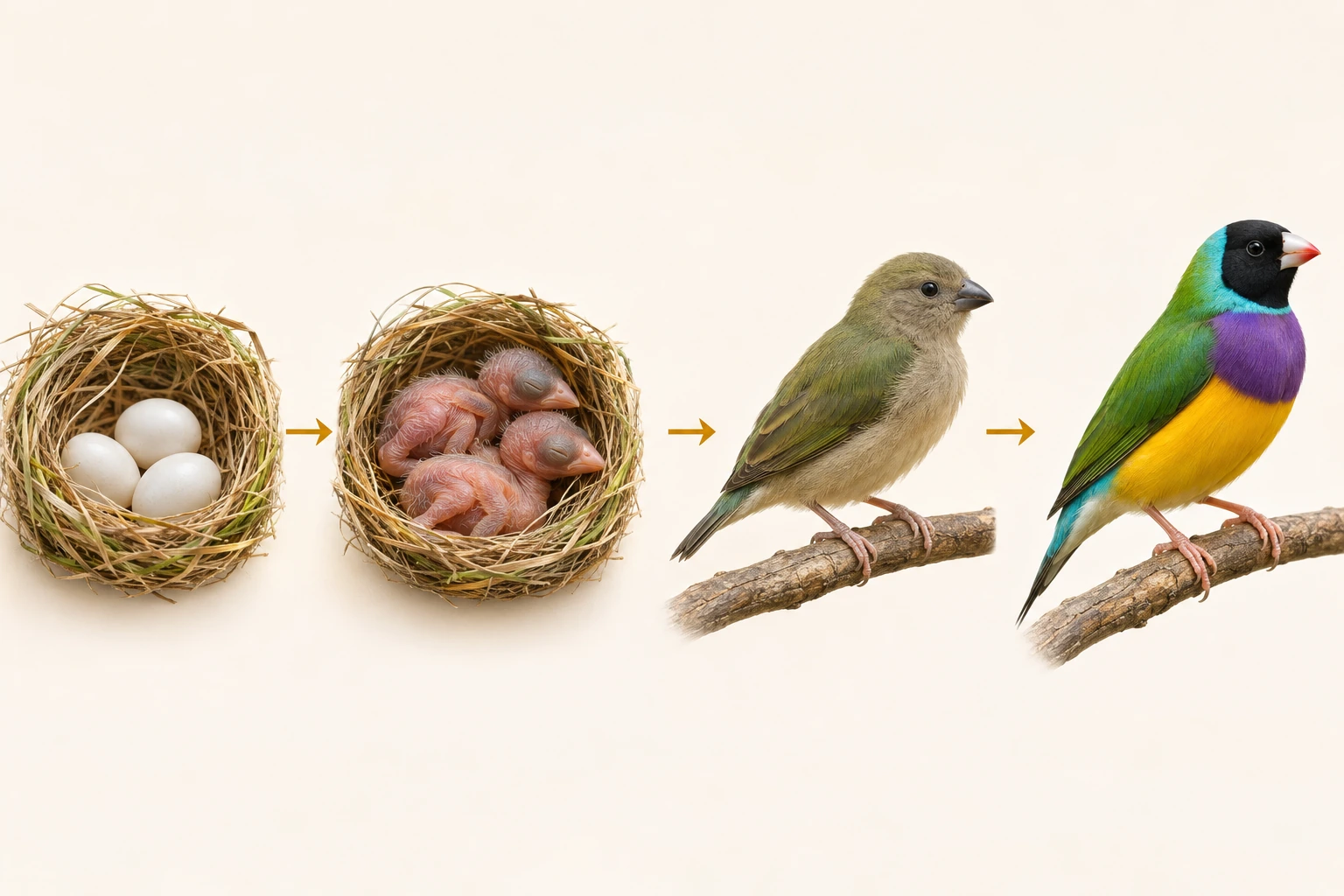
Follow the bird, not just the calendar. Published ranges are observation windows; actual parental care and feeding decide the next step.

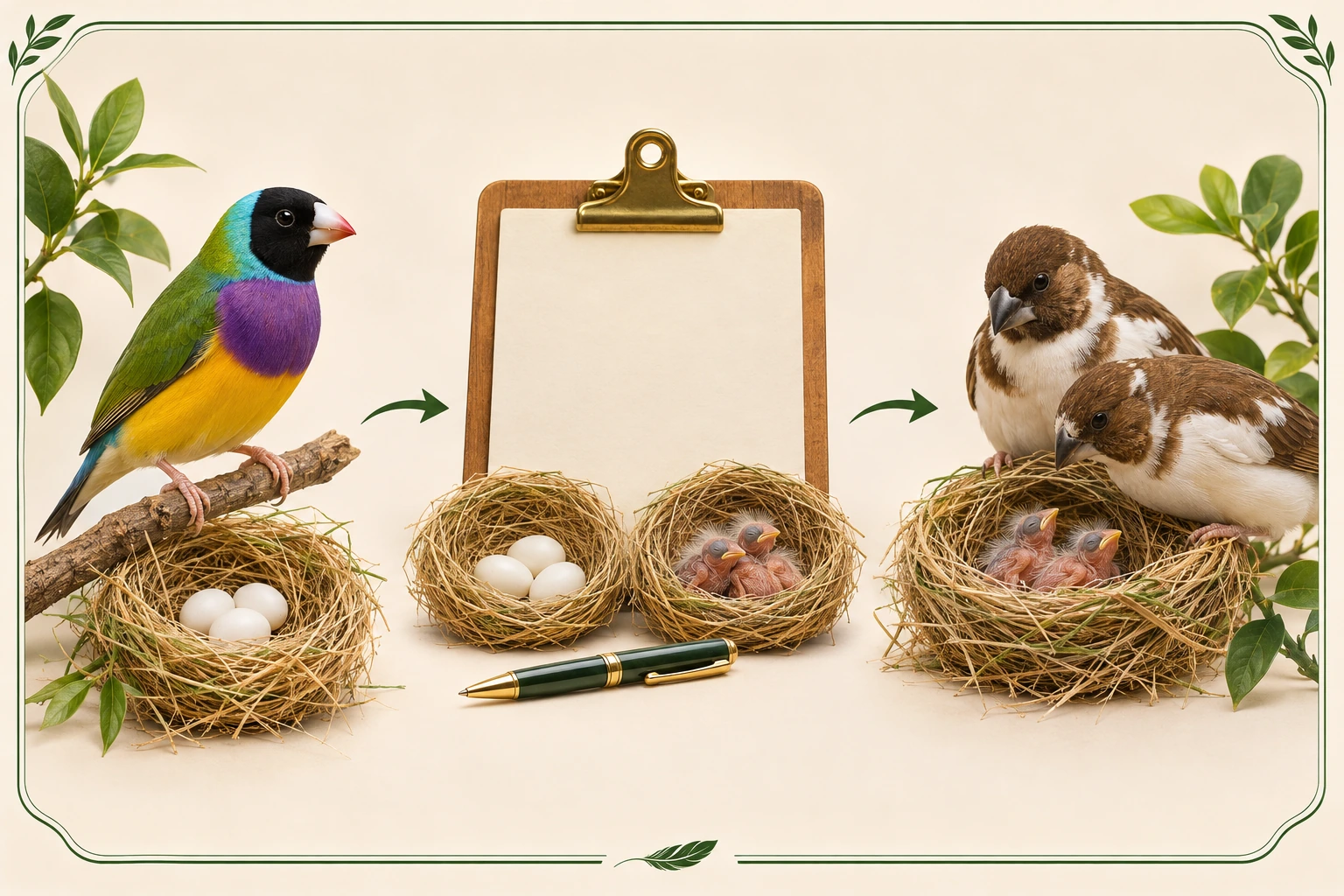
01 / Eggs

Educational illustration · AI
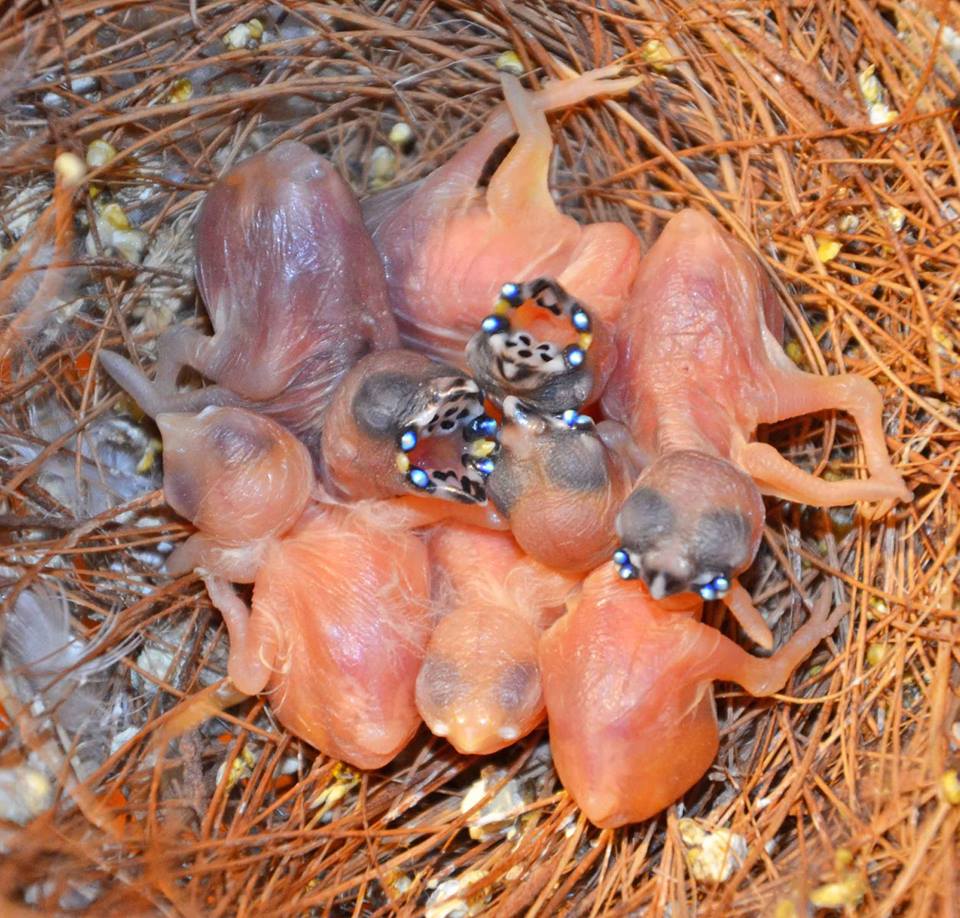
Gouldian Finch nestlings with characteristic reflective blue-white gape papillae and patterned mouths.

02 / Chicks

© Camille Gillet · CC BY-SA 4.0
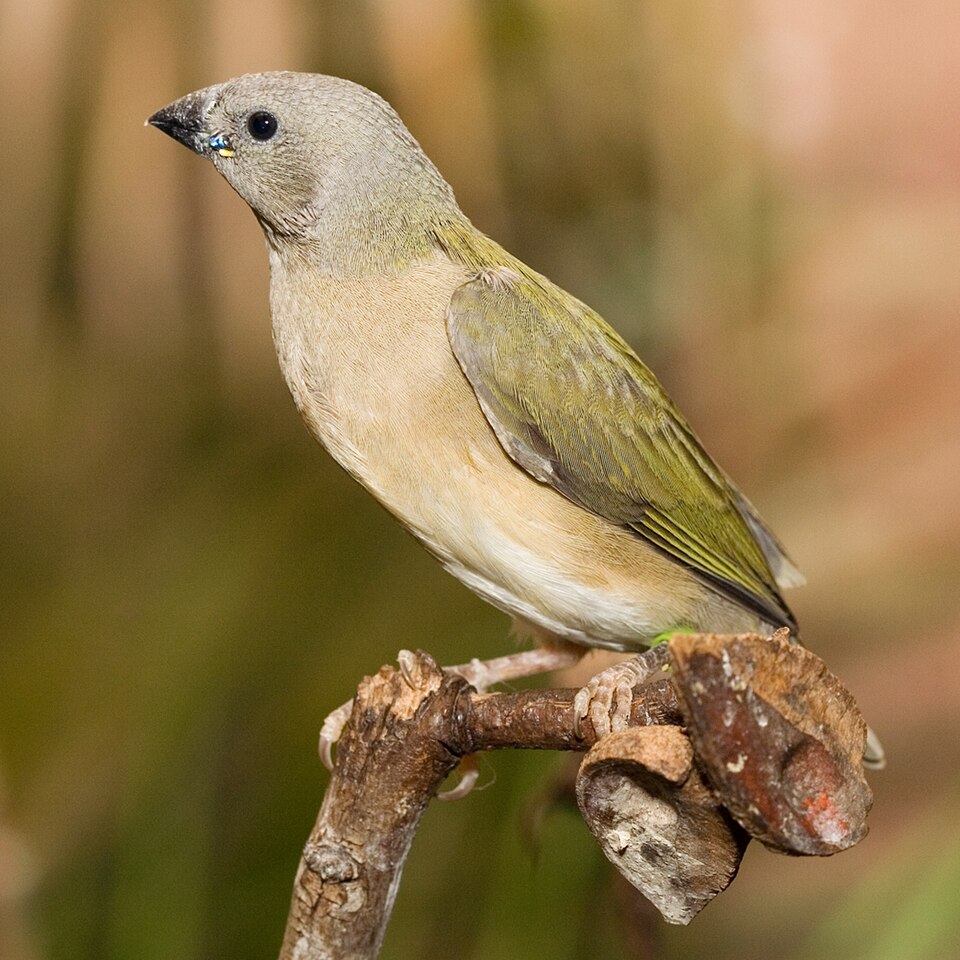
Juvenile Gouldian Finch before adult plumage; gape papillae are still visible.

03 / Fledging

© Martin Pot · CC BY-SA 3.0
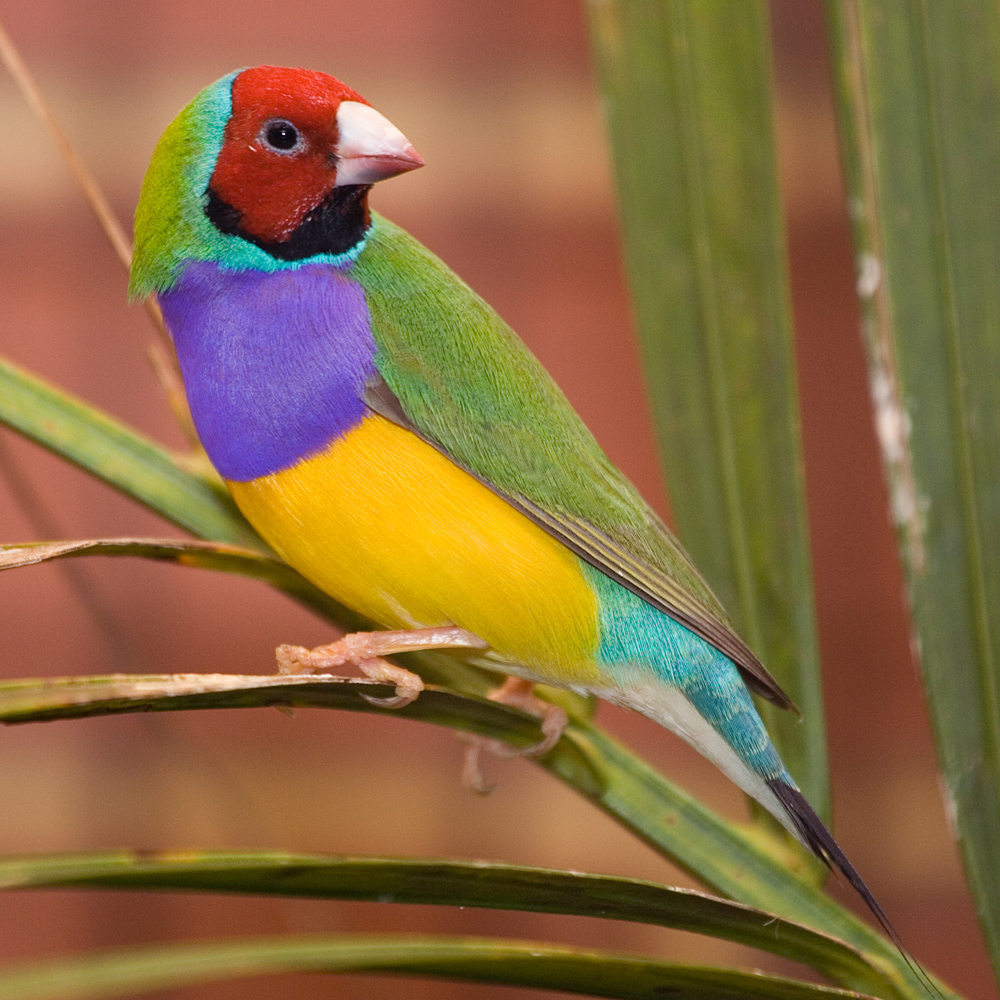
Adult male red-headed Gouldian Finch reference photograph.

04 / Breeding

© Martybugs · CC BY-SA 3.0
Chloebia gouldiae · Life stages
Follow the Gouldian through its life stages
Concept illustration · OpenAI
  1. 01

    Egg

    Record laying and regular incubation dates; use the species-specific guide when estimating hatch windows.

  2. 02

    Nestling

    Monitor parent or foster care and normal development with minimal disturbance. Feeding problems need prompt expert assessment.

  3. 03

    Juvenile

    A fledged bird is not necessarily weaned. Confirm reliable independent feeding before changing its support.

  4. 04

    Adult

    Review maintenance, breeding and moult separately. Adult colours develop after the plain juvenile plumage.

Gouldian finch concept illustration. Other species retain their own photographs, care guidance and developmental ranges.

Adult male red-headed Gouldian Finch reference photograph.
Adult reference
Chloebia gouldiae

Gouldian Finch

A northern Australian grass-seed specialist whose wild food supply changes with rainfall. The captive annual plan should distinguish breeding, moult and rest instead of keeping every bird under permanent breeding stimulation.

01

Clutch size

4–8 Eggseggs
02

Incubation

14–16 daysdays after sustained incubation
03

Fledging

21–25 daysdays after hatch
04

Independent feeding

35–40 daysdays after hatch; reference only

The club reports independence around day35 and advises waiting40+days before early separation. Confirm sustained feeding, drinking and stable condition; a calendar cannot authorize separation.

Watch pair compatibility, courtship and sustained incubation. The male commonly bobs and sings toward a receptive hen. Count hatch estimates from established incubation, not automatically from the first egg. Provide food before the parents need to feed chicks; frequent nest disturbance is not a substitute for observing care.

Read the guide