Identification
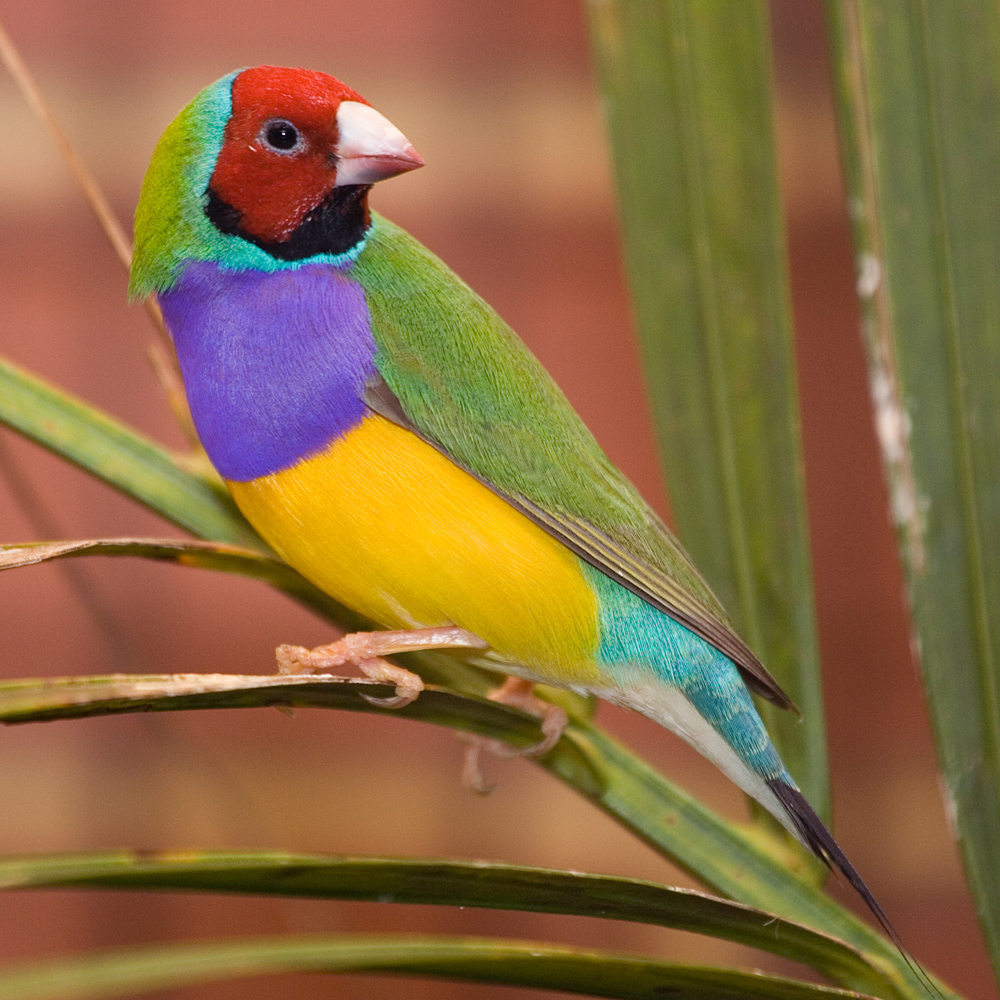
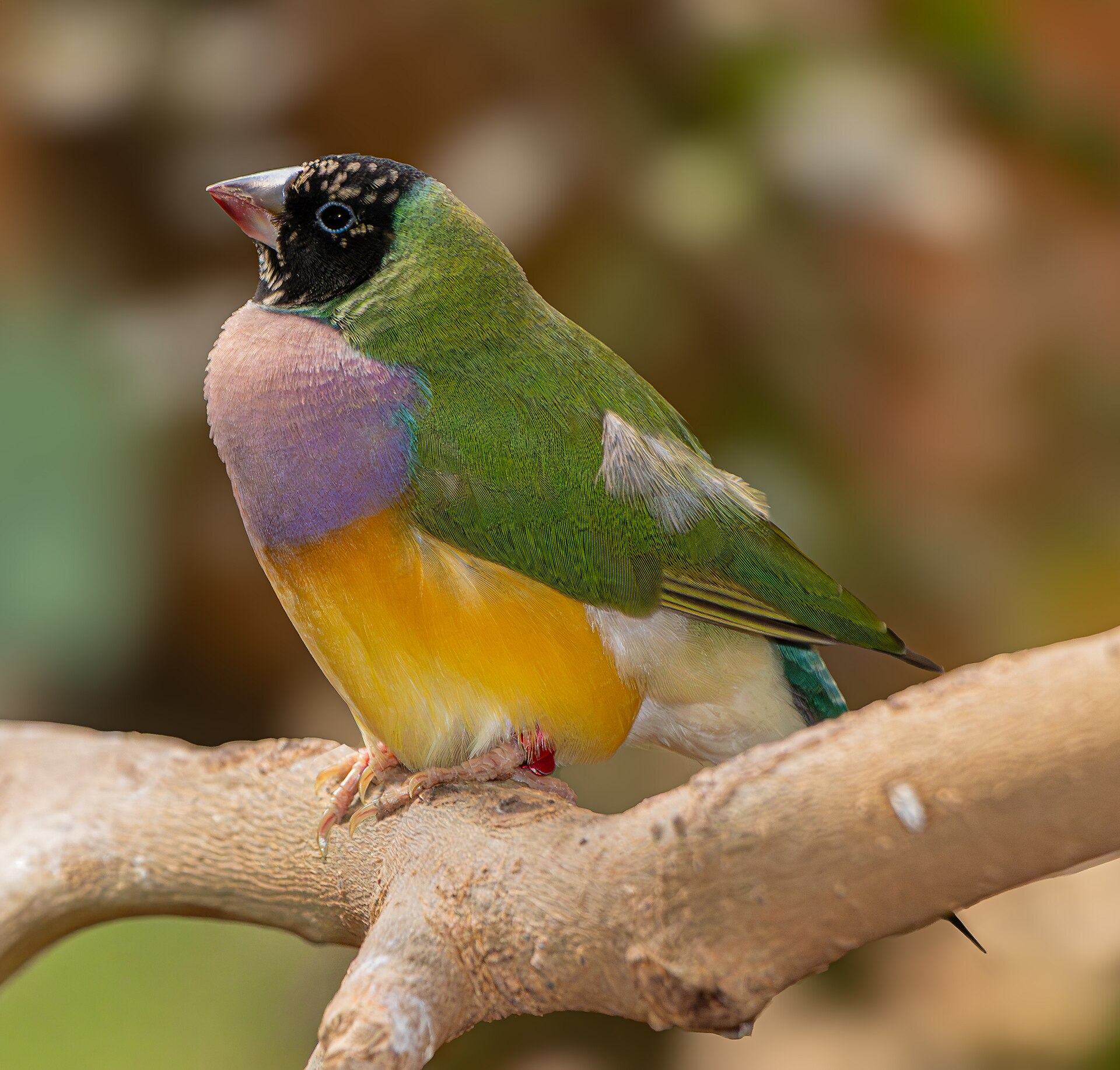
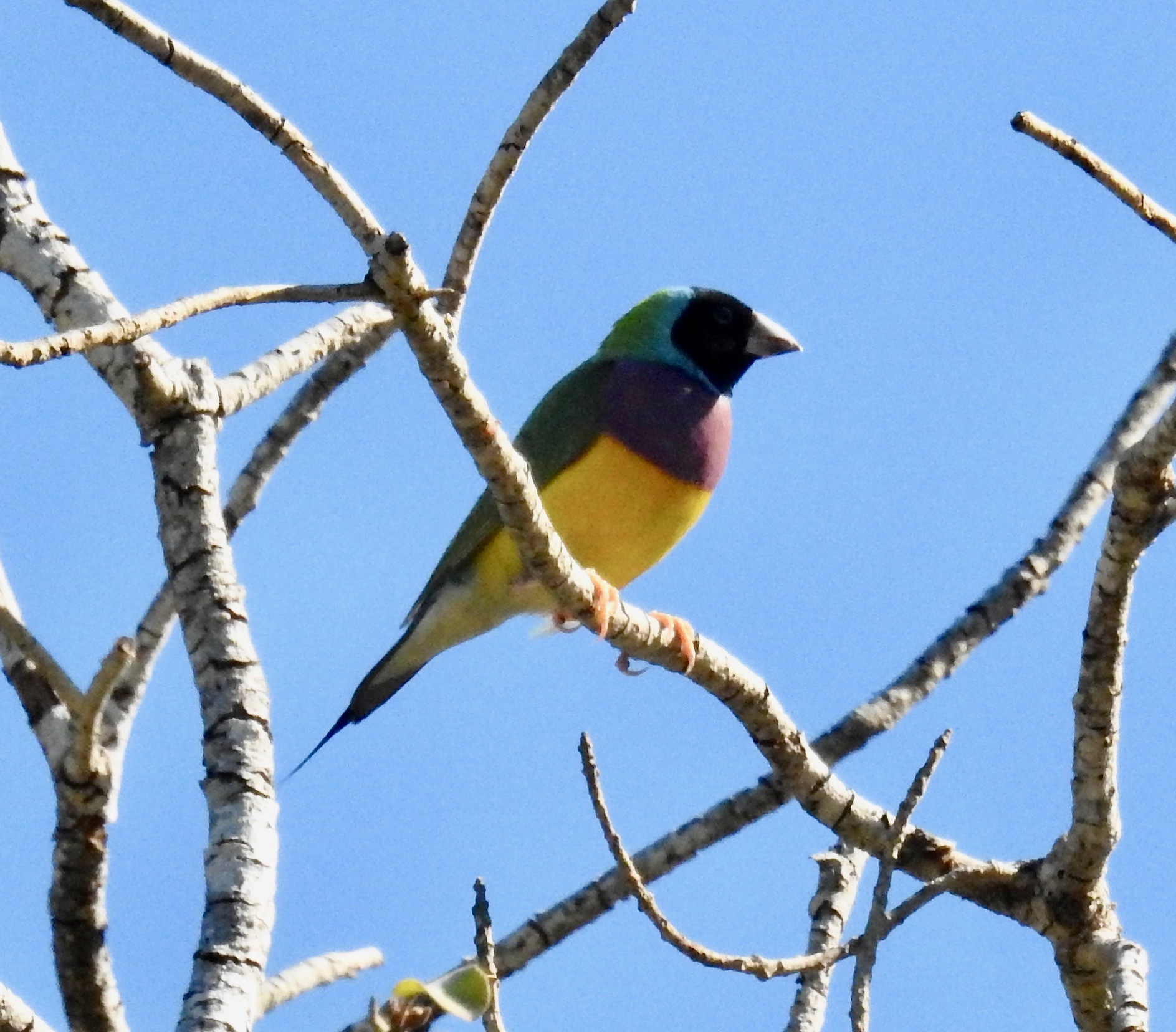
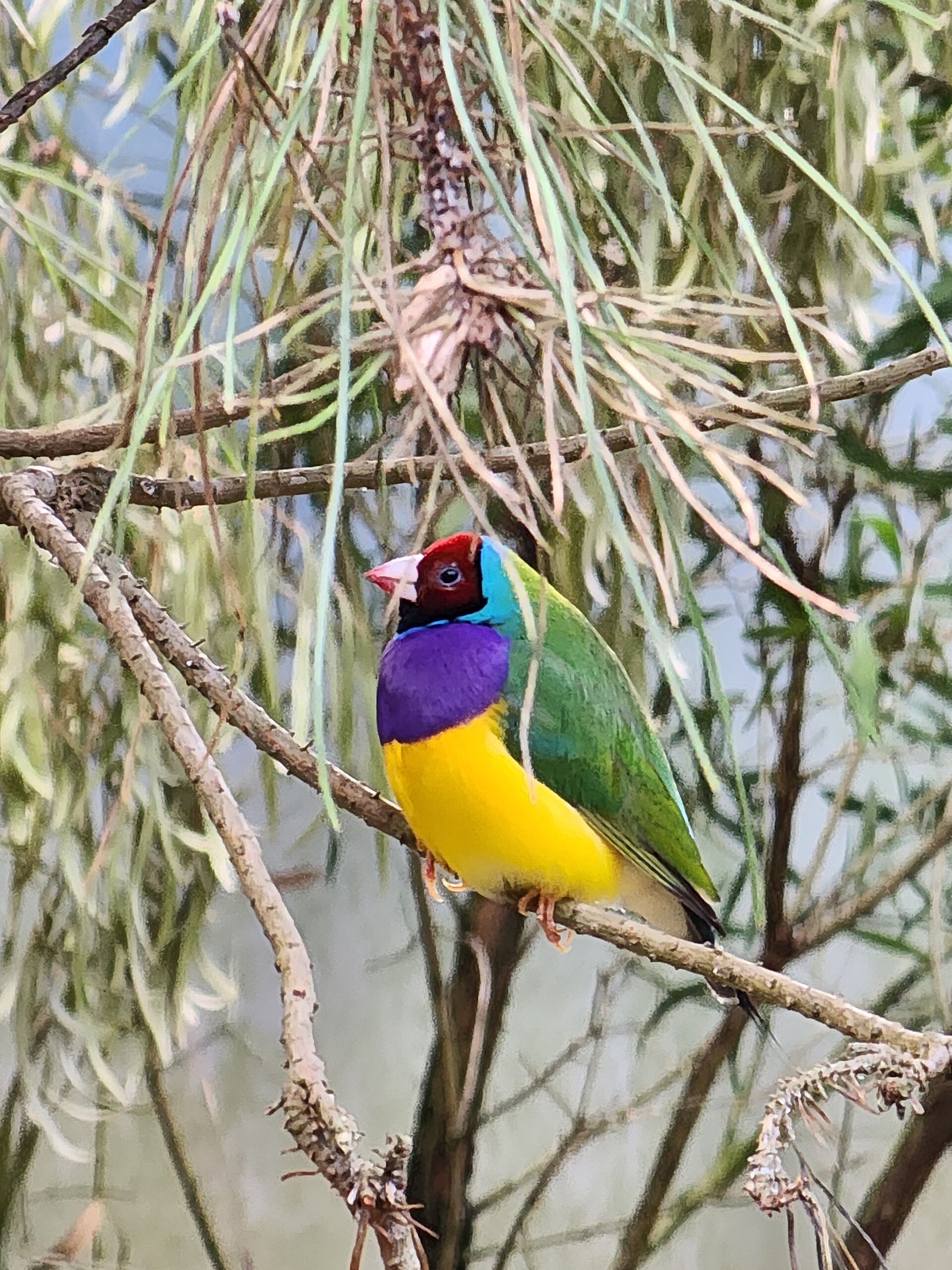
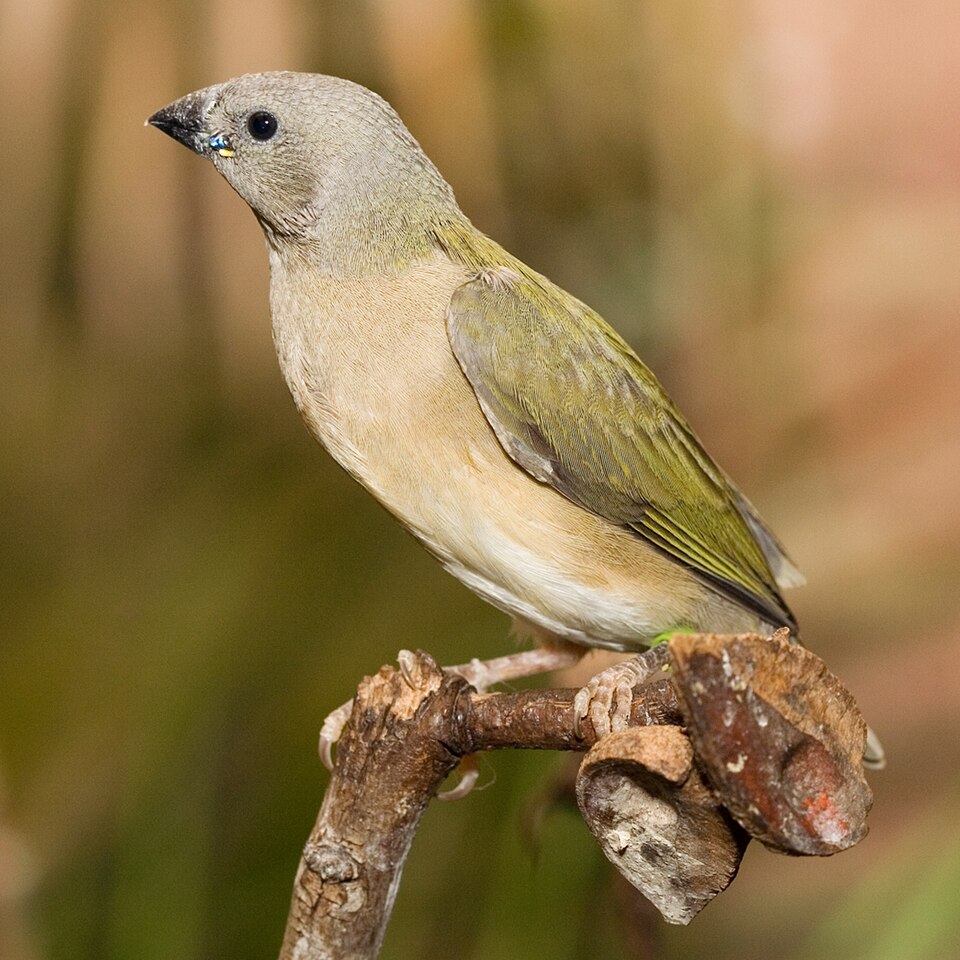
Recognizable by sharply separated head, breast and belly colour areas. Captive colour mutations can change these substantially; retain a mutation field and a photo for each bird rather than identifying every bird from a single normal-colour example.
Male & female
Adult plumage and male song can assist sexing, but mutation and age matter. Record whether sex was established by DNA, eggs, observed behaviour or a breeder's assessment. A juvenile should remain unsexed when evidence is insufficient.
Nature & behaviour
A northern Australian grass-seed specialist whose wild food supply changes with rainfall. The captive annual plan should distinguish breeding, moult and rest instead of keeping every bird under permanent breeding stimulation.
Cages & aviaries
Use a horizontal flight route, stable perches, accessible food and an unobtrusive nest location for a prepared pair. The owner's 60 × 40 × 35 cm cage is a recorded enclosure, not a universal standard; a fledged clutch adds occupancy quickly, so prepare a larger grow-out option before eggs hatch.
Diet & feeding
Record the seed mixture actually consumed, an accepted balanced rearing food, greens and the complete calcium/vitamin plan. The owner's Exogould, Deli Nature 56 and added millets belong in personal records. Do not convert several rich additives into a default public recipe. Changes must preserve reliable food intake.
Breeding
Watch pair compatibility, courtship and sustained incubation. The male commonly bobs and sings toward a receptive hen. Count hatch estimates from established incubation, not automatically from the first egg. Provide food before the parents need to feed chicks; frequent nest disturbance is not a substitute for observing care.
Compatibility
Keep genetic pairs identifiable. A mixed cage can obscure parentage and create nest competition. Forbes Parrotfinches deserve separate breeding housing because the NFSS profile reports aggression toward Gouldians.
Breeding timeline
Follow the bird, not just the calendar. Published ranges are observation windows; actual parental care and feeding decide the next step.
Clutch size
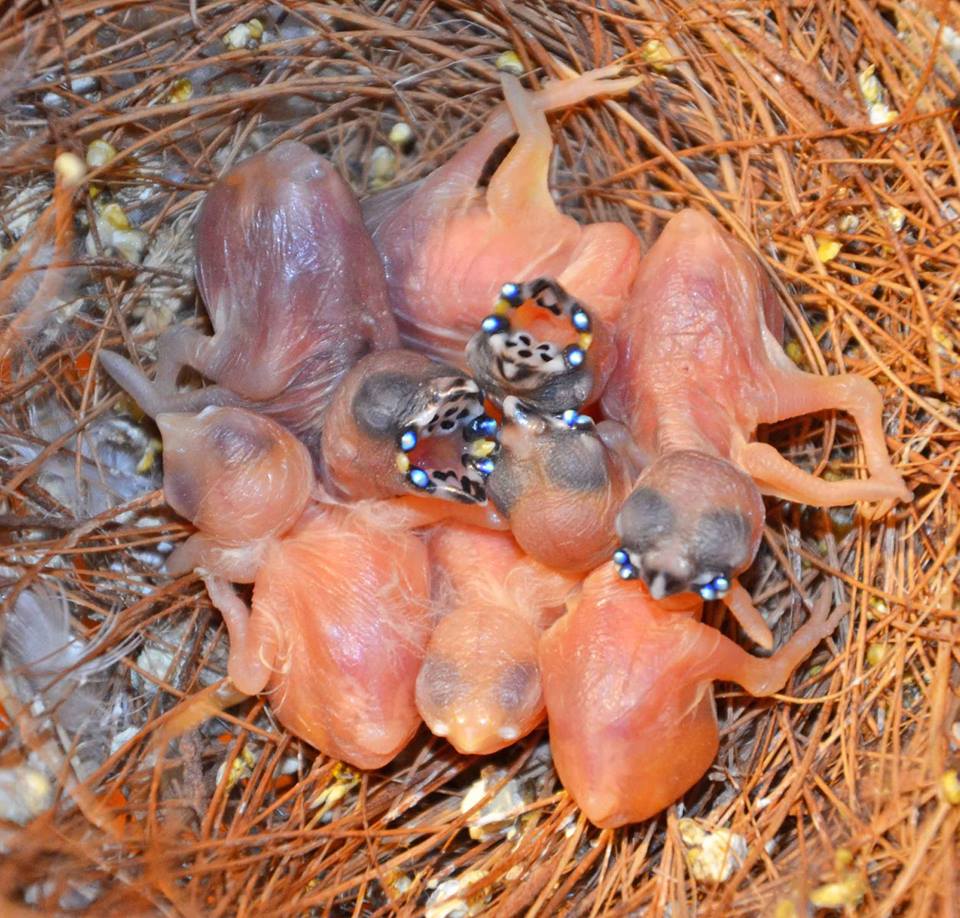
4–8 EggseggsIncubation
14–16 daysdays after sustained incubationFledging
21–25 daysdays after hatchIndependent feeding
35–40 daysdays after hatch; reference onlyThe club reports independence around day35 and advises waiting40+days before early separation. Confirm sustained feeding, drinking and stable condition; a calendar cannot authorize separation.
Sources & image credits