Exact owner's species awaits confirmation
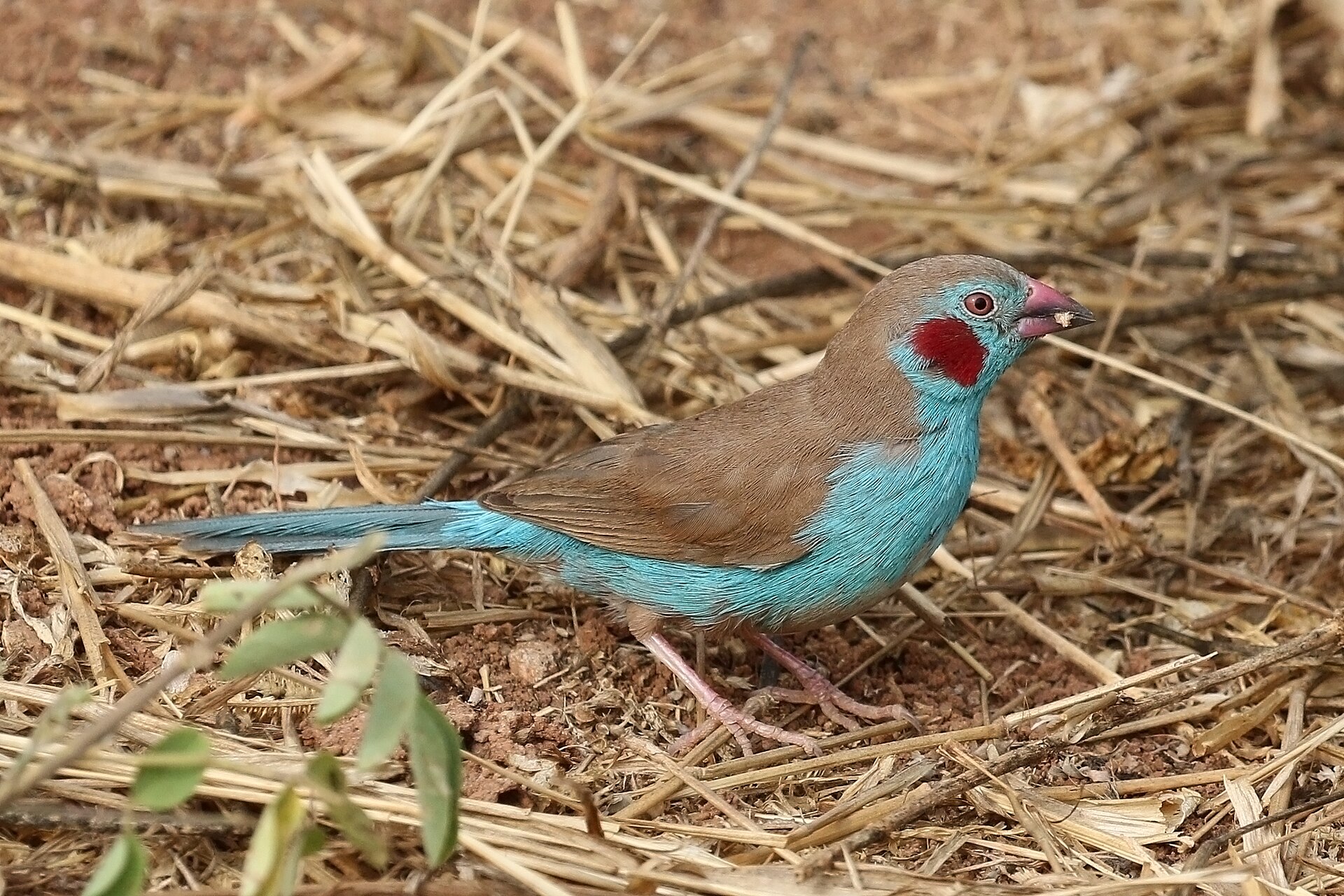
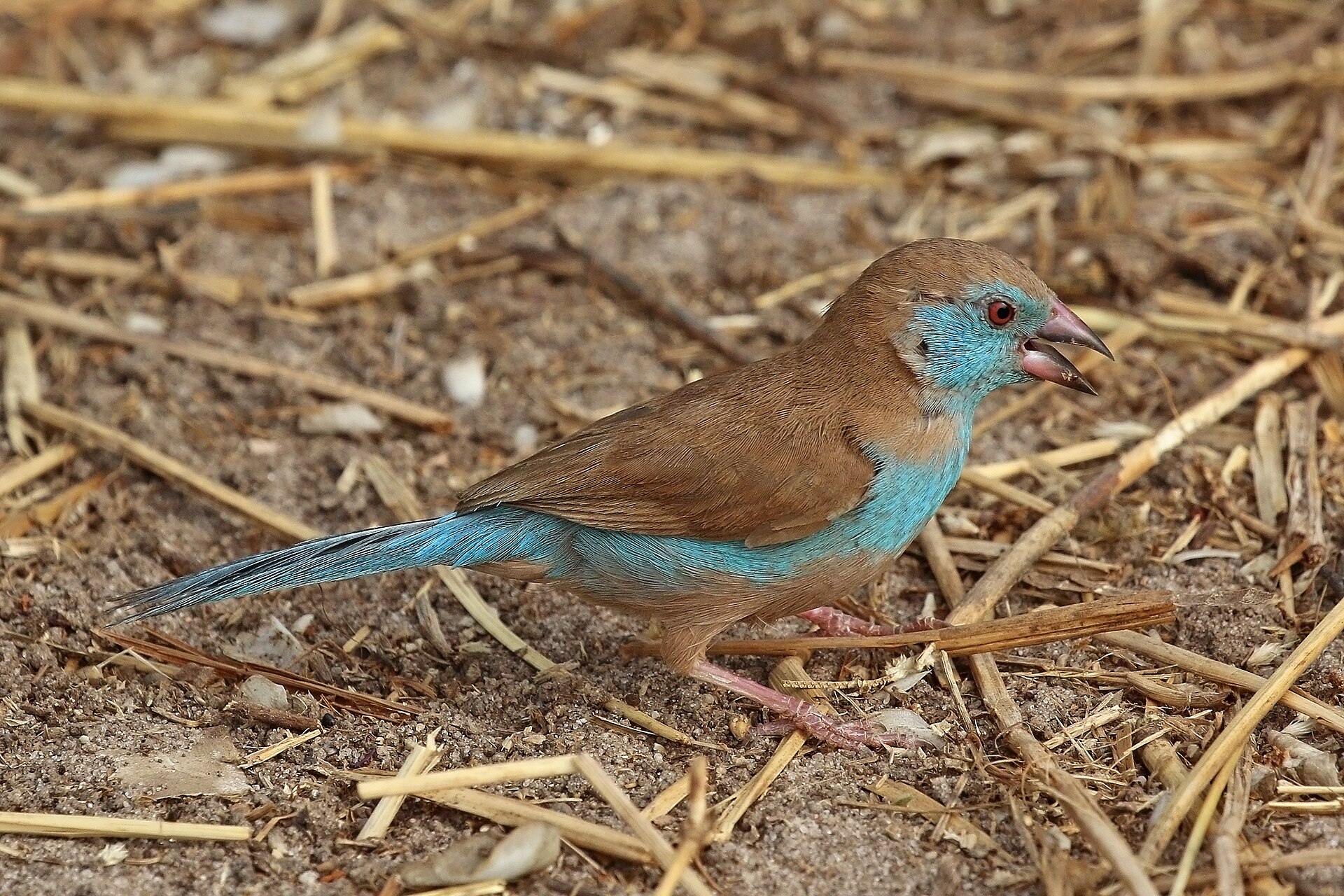
Red-cheeked Cordon-bleu — example species. EXAMPLE red-cheeked male only. Owner Cordon-bleu species remains unconfirmed; do not imply this is their exact species.
Identification
Cordon-bleu can mean Red-cheeked (Uraeginthus bengalus), Blue-capped (Uraeginthus cyanocephalus), or Blue-breasted (Uraeginthus angolensis). Select the correct profile after a photograph or reliable species label is available.
Male & female
Sex clues depend on species. A Red-cheeked adult male's cheek patch cannot be used as the sexing rule for Blue-capped or Blue-breasted birds. Juveniles and females need careful comparison.
Nature & behaviour
Small African blue waxbills. Their fine bills and behaviour should be reflected in species-specific food and nest guides rather than a generic finch photograph.
Cages & aviaries
Provide a quiet sheltered enclosure, visible food access and a separation option. Establish the exact species and the pair's current health before using a breeding calendar.
Diet & feeding
Confirm the previous keeper's seed, soft-food and insect routine. Cultured small insects are an important preparation topic for breeding waxbills; an accepted, species-appropriate rearing plan should be in place before hatch.
Breeding
Keep exact species, donor parentage and foster records explicit. Historical NFSS fostering reports describe variable Society Finch success with Cordon-bleu chicks; incubation by a foster is not proof that it will feed or raise them.
Compatibility
Treat pair identity, food access and territorial behaviour individually. Do not assume a third adult will be tolerated by a breeding pair. An exclusion or injury requires prompt separation and assessment.
Breeding timeline
Follow the bird, not just the calendar. Published ranges are observation windows; actual parental care and feeding decide the next step.
Clutch size
Not establishedIncubation
Not establishedFledging
Not establishedIndependent feeding
Not establishedNo species-specific dates are assigned to an unresolved common name.
Sources & image credits