Identification
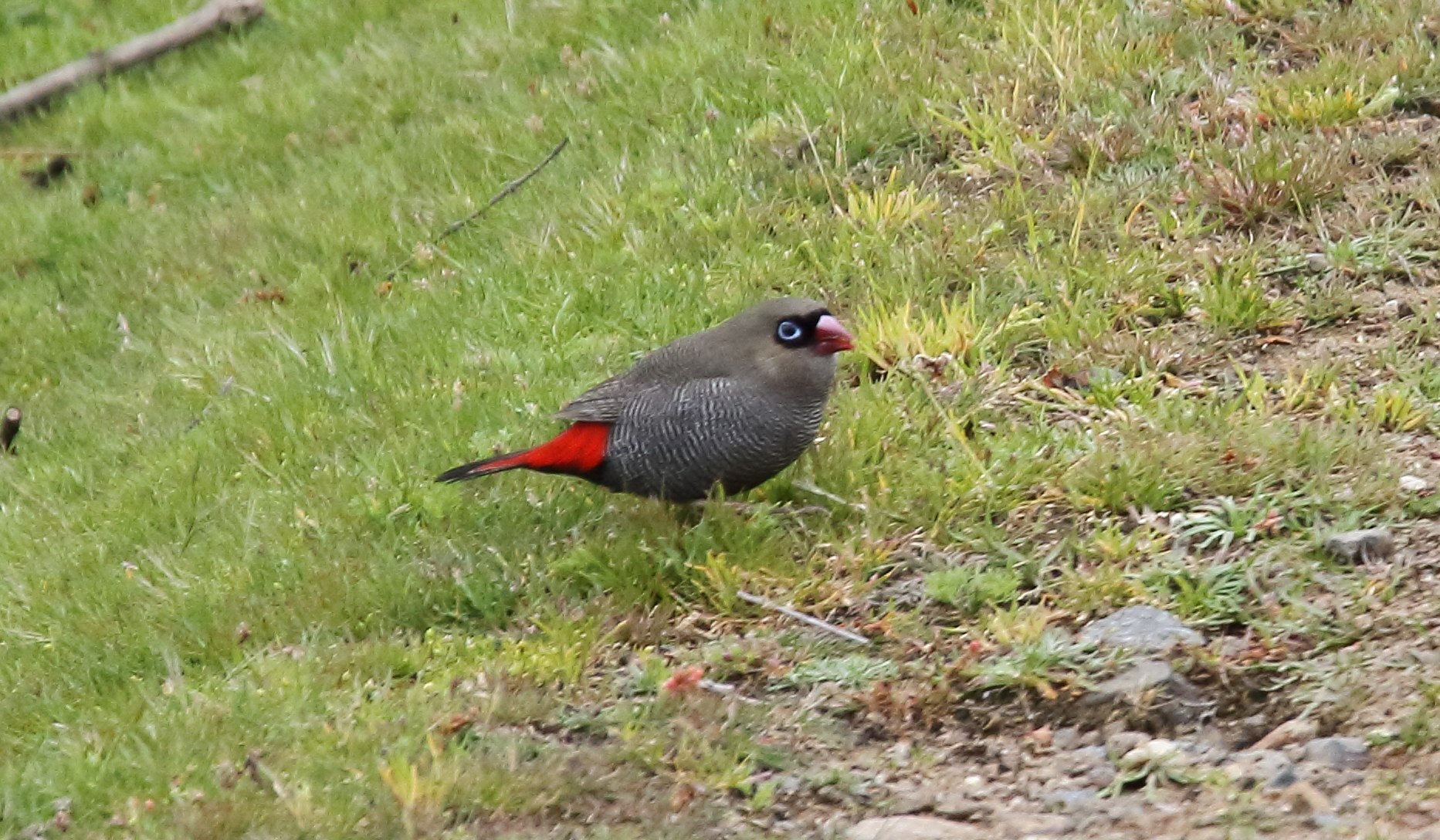
A compact olive-brown finch with fine dark barring, a black face mask, pale eye ring, red bill and crimson rump. A young bird has a darker bill and reduced mask; this is not a Diamond Firetail.
Male & female
ABSA describes a black central belly in adult males, while the female’s barring continues across the belly. Assess adult feathering in a clear view; size alone is unsuitable for sexing.
Nature & behaviour
Native to south-eastern Australia and Tasmania, it uses dense coastal heath and scrub near water. A pair or small family often moves quietly through low cover rather than staying exposed.
Cages & aviaries
Use a calm, generously screened flight with dry low foraging places and clear routes between cover and perches. Its moist natural habitat does not justify damp bedding or constantly wet food in captivity.
Diet & feeding
Grass, casuarina and tea-tree seeds feature in natural accounts. A captive ration needs suitable small seeds, accepted fresh greens and a verified rearing diet; a single millet or vitamin product cannot supply that variety.
Breeding
The pair builds a concealed tunnel-entry nest and shares incubation and chick care. Preserve nest privacy and record observed feeding. The museum’s figures are natural-history reference points, not an artificial-incubation protocol.
Compatibility
A dedicated quiet pair enclosure is the cautious planning choice for this cover-dependent species. Do not equate tolerance at a feeder with successful mixed breeding; check competition and retreat access.
Breeding timeline
Follow the bird, not just the calendar. Published ranges are observation windows; actual parental care and feeding decide the next step.
Clutch size
4–8 Eggseggs; reference onlyIncubation
20 daysdays after sustained incubation; reference onlyFledging
20 daysdays after hatch; reference onlyIndependent feeding
Not establishedNo universal separation age is established. Confirm repeated independent eating and drinking and stable condition while monitoring parental support.
Reference observations are not captive guarantees. Record actual hatch and feeding; never separate a chick solely because a date has arrived.
Sources & image credits